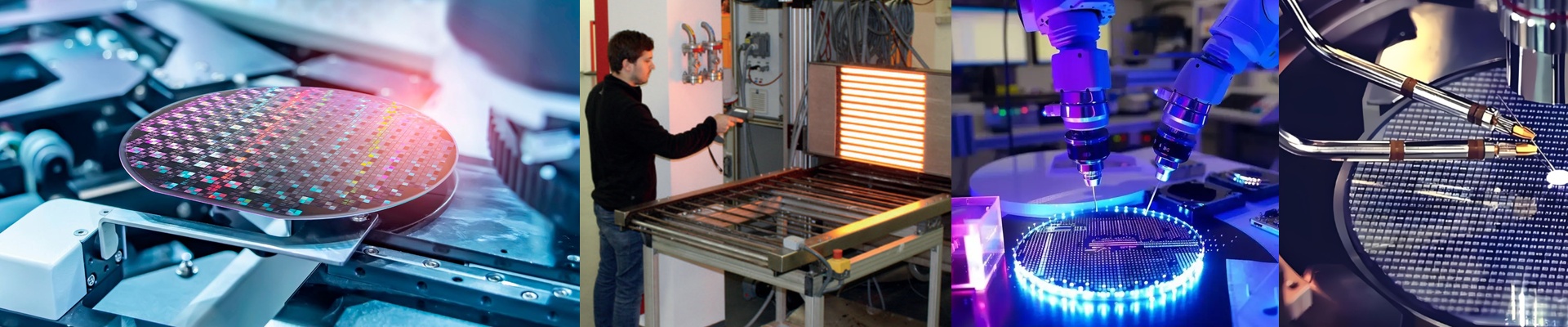
Stop Heating Your Equipment Instead of Your Wafers
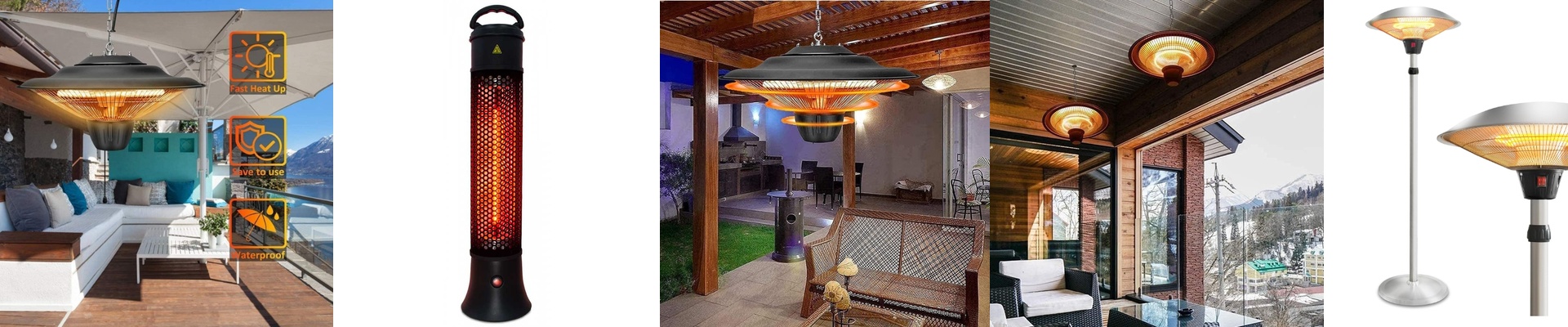
If you’ve ever used traditional convection or omnidirectional heaters for a semiconductor trolley, you know the frustration. You’re spending a ton of energy, but half of that heat is just soaking into the inner walls of your machine. It’s a mess. The chassis gets stressed out, and more importantly, your operators are basically working around a giant radiator. It’s not safe, and it’s definitely not efficient. We found a better way: directional infrared (IR) heating.
Why directional heating actually works
Think about a standard heater. It just throws energy in every direction—360 degrees of heat going everywhere. We do things differently. We use short-wave quartz tubes and precision reflectors to aim the heat. Instead of heating the air, we push the energy straight into the wafer carrier or the substrate. The heat hits the target and stays there. It doesn’t hang around in the air or soak into the metal. The result? You can reach your process temperature inside, but the outer shell of the trolley stays cool to the touch.
The catch (and how to fix it)
Here’s the thing: this speed comes with a bit of a challenge. Short-wave IR is incredibly powerful, which is why it ramps up so fast. But that intensity means you have to be precise. If your reflectors are off by even a couple of degrees, you’ll end up with “hot spots” on your equipment walls. That’s why we don’t mess around with the hardware. The reflectors have to be precision-milled and locked down tight. If they aren’t perfectly aligned, the system doesn’t work.
Making life easier on the floor
Switching to directional IR basically kills the “oven effect.” You no longer have a massive cloud of superheated air swirling around inside your clean room enclosure. This is a huge win for your HVAC system, which doesn’t have to work overtime to cool the room back down. Plus, your team can actually interact with the trolley without worrying about getting burned by the equipment skin. It’s a simple shift that lets you push through more work without making the shop floor a hazard.