

Keeping Things Safe: IR Heaters in Chemical Cleaning
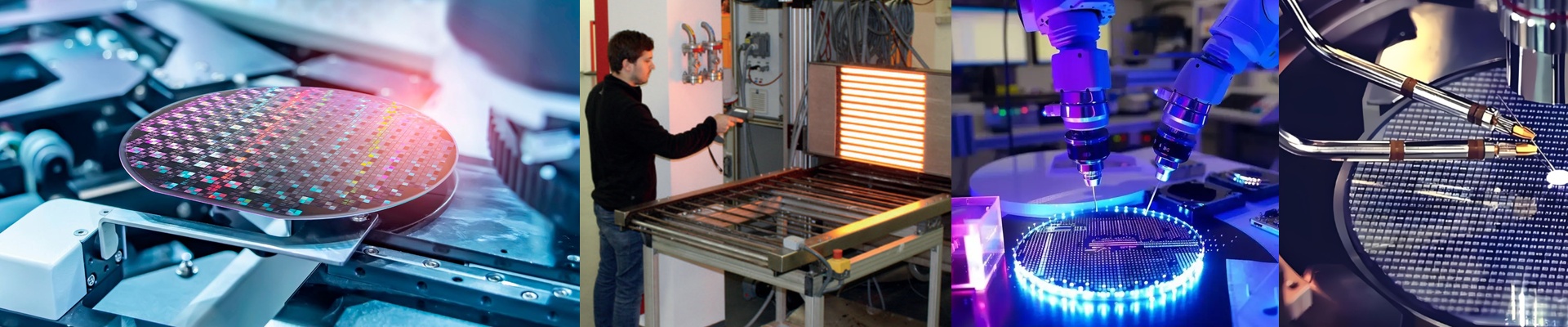
When you’re dealing with semiconductor fab lines, you’re usually working with solvents that really don’t like sparks. Throw an infrared (IR) heating lamp into that mix, and you’ve got a recipe for trouble. One electrical arc or a bit of overheating, and you’re looking at a potential fire. We handle this by basically putting the heater in a protective bubble. We isolate the heating element and the thermocouple so they never actually touch the fumes in the air. The Secret is in the Seal We wrap the lamps in high-purity quartz sleeves and lock them down with ceramic-to-metal gaskets. It’s a physical wall. The energized lamp stays on one side, and the chemical vapors stay on the other. For the wiring, we don’t take chances. We use PTFE or PFA fluoropolymer jackets. Why? Because those aggressive cleaning agents will eat through standard wiring in no time. We do the same thing with the thermocouple. Instead of leaving the sensor out in the open, we tuck it into a reinforced sheath. Then, we pot the connection points with high-temp epoxy or glass seals. No leaks, no volatile gases getting into the electrical housing. Simple. Getting the Temperature Right The real trick is the feedback loop. We press the thermocouple right up against the quartz sleeve or the heater substrate. This cuts out the “thermal lag”—that annoying delay where the sensor doesn’t realize the heater is already too hot. It means your PID controller catches a temperature spike before it hits the flash point of your chemicals. That’s where the peace of mind comes from. But here’s the catch. Thick protection means more “thermal mass.” In plain English: your lamp won’t heat up instantly. It’ll take a bit longer to ramp up than an open-air lamp would. Just make sure your power supply can handle that initial surge. Setting It Up and Keeping It Running We build these as drop-in replacements. We don’t ship them until we’ve tested every single seal for leaks. If a seal fails, the “explosion-proof” part of the equation goes out the window. Once it’s in, just keep an eye on those quartz sleeves. Check them regularly for stress cracks. It’s a small habit, but it’s the only way to make sure your safety margins stay where they need to be.