


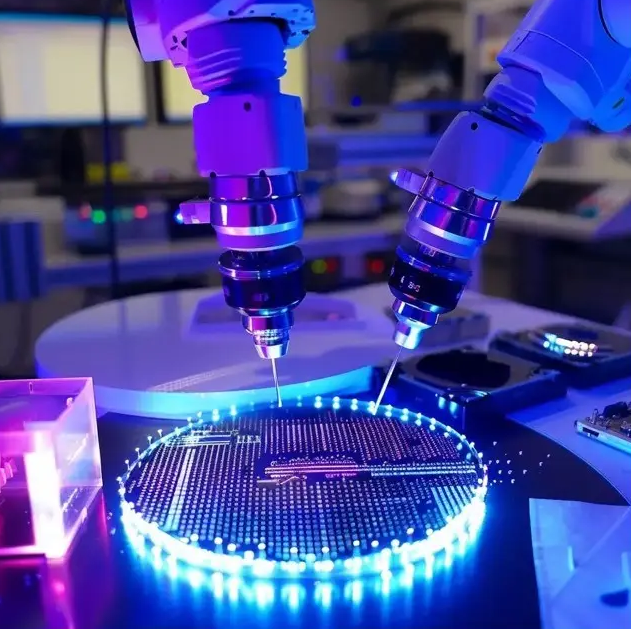
Getting MEMS Wafer Drying Right with IR
If you’re running a modern fab, you know the drill. Everything is about data and speed. But when it comes to drying MEMS sensor wafers, the old-school convection methods just don’t cut it anymore. That’s why we’ve shifted toward infrared (IR) systems. It’s a cleaner, smarter way to get rid of moisture without accidentally crushing those delicate micro-structures. The magic of IR heat Here is the thing about short-wave IR: it doesn’t waste time heating up the air in the room. Instead, it goes straight for the water molecules on the wafer. It’s direct. It’s fast. Because you aren’t heating a giant box of air, your drying station stays cooler, you ramp up in a fraction of the time, and you stop throwing energy away. Making it “Smart” A fab is only as good as its data. We build these heating systems to talk directly to your PLC loops. By letting the sensors tell the system when to dial back the power, you don’t have to worry about “overshooting” the temperature. No one wants to deal with warped wafers or membranes that crack because they got too hot too fast. It just keeps things steady. The reality check Now, there is a trade-off. High-density IR arrays put out a massive amount of heat. If you cram all those watts into a tight chassis without a plan for airflow, you’re going to fry your own electronics. It’s a balancing act. You want those high-power emitters, but you absolutely need active heat sinking for the control boards to keep the whole thing from overheating. Why bother switching? Traditional heaters are sluggish. They take forever to react. IR, on the other hand, is basically instant. Since it’s tied to a digital controller, you can tweak the heat profile on the fly. Whether you’re dealing with different wafer thicknesses or weird sensor shapes, you just adjust the settings and keep moving. It clears out the bottleneck that legacy drying methods always create.