
Keeping Your Fab Clean: The Truth About Heating
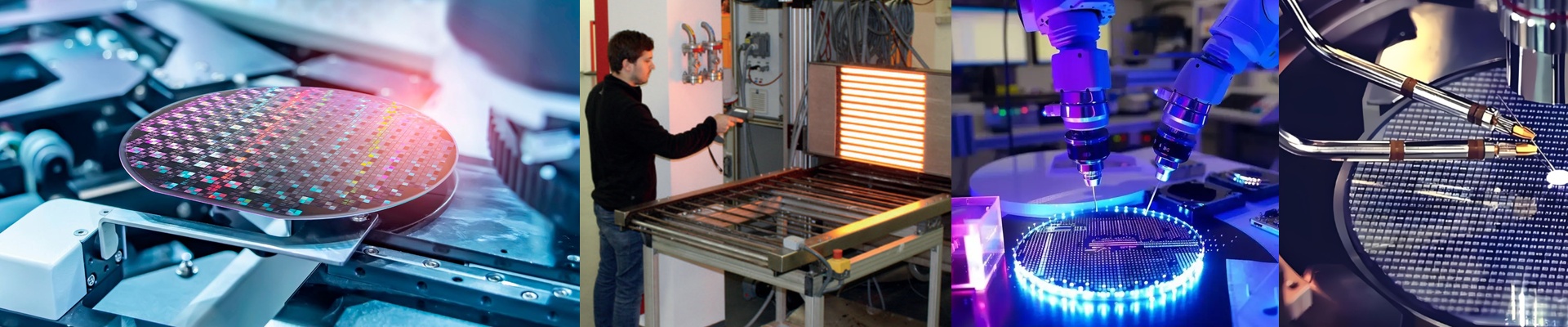
If you’re running a Class 100 cleanroom, you already know that air filters are only half the battle. The real nightmare? Outgassing and tiny particles shedding right at the heat source. That’s where things usually go sideways. To stop contaminants from drifting onto your wafers, we stick with high-purity synthetic quartz for our IR lamps. It just works better.
Why the quartz actually matters
Here’s the deal: standard glass or the cheap stuff can start leaking impurities the second things get hot. We use high-purity fused silica because it doesn’t flinch under extreme heat. It stays chemically quiet. These lamps push out short-wave IR radiation. The best part? The heat goes straight to the target. It doesn’t waste time heating up the air around it, which means you don’t get those annoying convection currents kicking up dust from the floor.
Stopping the “particle rain”
Most heating elements in a fab fail because of the little things—the connectors or the coatings. We use precision-fit terminals so you don’t get metallic flakes breaking off as the metal expands and shrinks. We also flame-polish the quartz envelope. It smooths out the surface pores where particles love to hide. Plus, we kept the design lean. They have a tiny footprint, so they slide into compact heating zones without needing some massive, bulky shield. Fewer parts means fewer things to break.
The “Gotchas” (Read this part)
Now, there’s a trade-off. High-purity quartz is clean, but it’s brittle. **Do not touch these tubes with your bare hands.**Seriously. The oils from your skin create hotspots, and that’s a one-way ticket to a premature burnout. Tell your install team to stick to lint-free gloves and a bit of isopropyl alcohol for cleaning. One last thing: these lamps pack a lot of heat into a small space. You’ve got to get your cooling fans right. If your airflow is too weak, the heat soak will warp your housing and kill the lamp’s lifespan. Keep it cool, and they’ll last.